
The cheapest way to heat a commercial building depends on your property type, but gas-fired heating systems typically offer the lowest running costs for most businesses. However, the best solution balances upfront costs, running expenses, building size, insulation quality, and how you actually use your space throughout the day.
Heating a commercial building is one of the biggest ongoing expenses for any business. With energy prices constantly changing and businesses looking to cut costs wherever possible, finding the most cost-effective heating solution has never been more important. The right choice can save you thousands of pounds each year whilst keeping your staff and customers comfortable.
Understanding Your Heating Costs
Before diving into specific heating systems, it’s worth understanding what actually affects your heating bills. Your building’s size, insulation, ceiling height, how often doors open, and how many people use the space all play a massive role in how much you’ll spend.
A well-insulated office will always cost less to heat than a draughty warehouse, regardless of which heating system you choose. Similarly, a retail space with customers constantly coming and going will lose heat much faster than a closed office environment.
Get in touch with our heating specialists to assess your building and identify the most cost-effective heating solution for your specific needs.
Gas Heating Systems – Still the Cheapest to Run
For most commercial buildings in the UK, gas heating remains the most affordable option for day-to-day running costs. Gas is generally cheaper per unit than electricity, making it the go-to choice for businesses heating larger spaces.
Gas Warm Air Heaters
Gas warm air heaters work by heating air directly and distributing it throughout your building via ducts. They’re particularly good for warehouses, large retail spaces, and industrial buildings because they heat big areas quickly and efficiently.
The main advantage is speed. These systems get your building warm fast, which is brilliant if you’re heating a space that’s only used during working hours. You’re not wasting money keeping an empty building warm overnight.
Gas Boiler Systems
Traditional gas boiler systems with radiators are still common in offices and smaller commercial buildings. Whilst they take longer to warm up than warm air systems, they provide consistent, comfortable heat once they’re running.
Regular boiler servicing keeps these systems running efficiently and prevents expensive breakdowns. A well-maintained gas boiler can last 15-20 years, making it a solid long-term investment.
Understanding how often you should get your commercial boiler serviced helps you avoid unexpected costs and keeps your system running at peak efficiency.
Electric Heating Options – Getting More Competitive
Whilst electricity is typically more expensive than gas per unit, electric heating systems have some serious advantages that can make them cheaper overall, especially for smaller spaces or buildings without existing gas connections.
Infrared Heaters
Infrared heaters are becoming increasingly popular in commercial settings because they heat people and objects directly rather than warming the air. This means you feel warm faster and waste less energy heating empty space.
They’re brilliant for warehouses, workshops, and areas with high ceilings where traditional heating struggles. You’re heating the people working there, not the massive void of air above them. For retail spaces and showrooms, infrared heating can target specific areas where customers spend time.
The installation costs are lower than traditional systems because there’s no pipework or ductwork needed. Just mount them and plug them in. Maintenance is minimal too, saving you money long-term.
Electric Radiators
Modern electric radiators are far more efficient than older storage heaters. They convert virtually all electricity into heat and offer excellent control over individual rooms or zones.
For smaller offices or buildings being renovated, electric radiators can work out cheaper when you factor in installation costs. There’s no need for commercial gas services or complex pipework, making them quicker and simpler to fit.
The big advantage is zone control. You only heat the rooms you’re actually using, rather than the entire building. This can lead to significant savings, especially in buildings with varied occupancy throughout the day.
Heat Pumps – Higher Upfront, Lower Running Costs
Air source heat pumps are the new kid on the block for commercial heating. They’re expensive to install but can offer excellent running costs once they’re in.
Heat pumps work by extracting heat from outside air and transferring it inside. They can produce 3-4 units of heat for every unit of electricity used, making them incredibly efficient. However, they work best in well-insulated buildings and struggle a bit in very cold weather.
The government is pushing heat pumps as part of the move away from gas, so there are sometimes grants and incentives available that can help offset the initial costs. For businesses planning long-term, heat pumps paired with solar panels can offer serious savings.
Looking at the benefits of energy-efficient commercial boilers shows how modern heating technology can dramatically reduce your energy bills over time.
Hybrid Systems – Best of Both Worlds
Some businesses are finding that combining different heating types gives them the best value. For example, using infrared heaters in your warehouse whilst keeping traditional radiators in the office areas.
Hybrid systems let you match the heating type to each space’s specific needs. You’re not trying to force one solution to work everywhere, which often leads to wasted energy and higher bills.
Contact us to discuss a tailored heating solution that combines different technologies to maximise efficiency and minimise costs for your specific building layout.
Simple Ways to Cut Heating Costs Now
Regardless of which heating system you have, these strategies will help reduce your bills:
Improve Your Insulation
This is boring but it’s the single most effective way to cut heating costs. Insulating your roof, walls, and floors keeps the heat in, meaning your system doesn’t have to work as hard.
Even simple fixes like draught-proofing doors and windows can make a noticeable difference. If heat is escaping, you’re literally watching money fly out the window.
Use Smart Controls and Timers
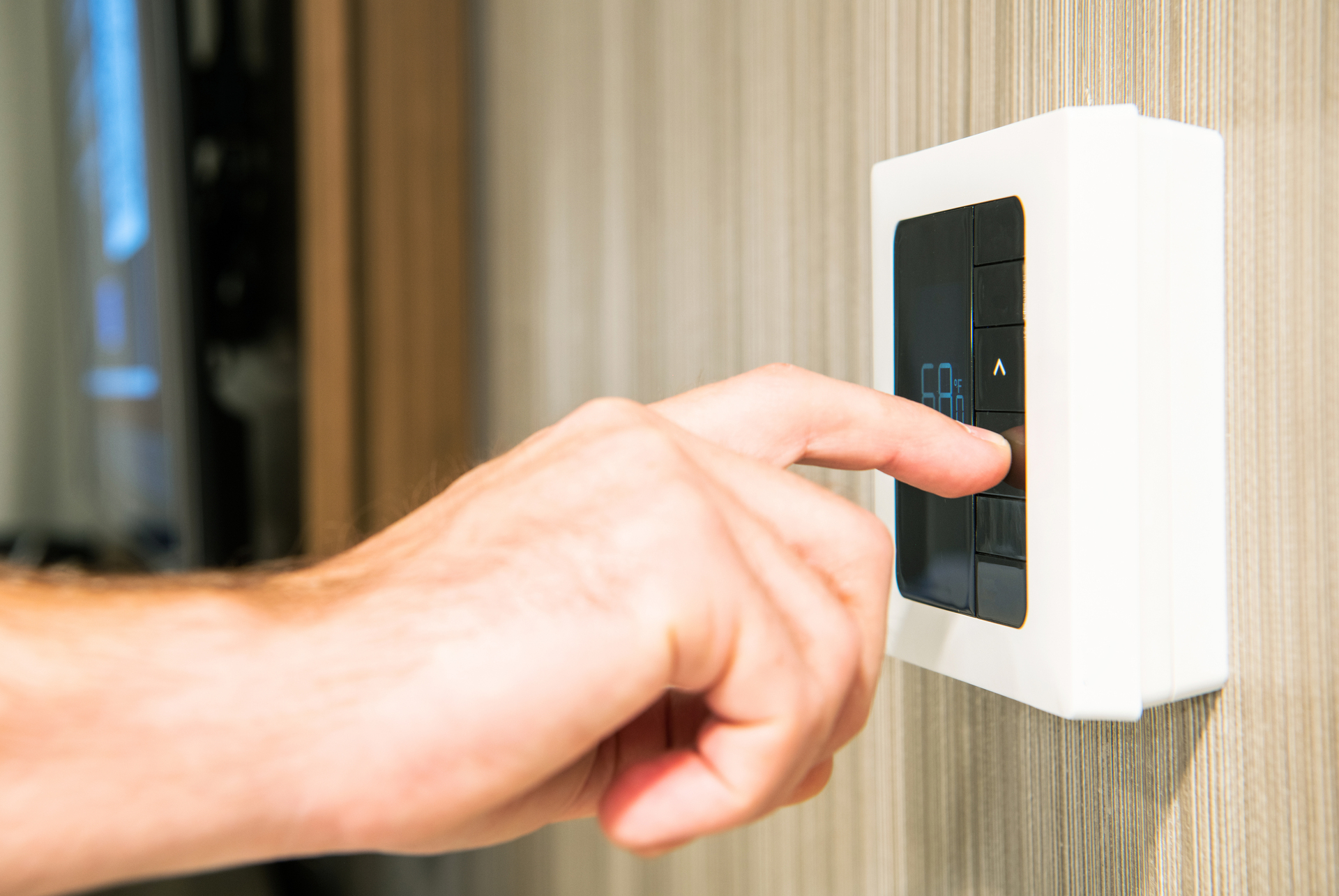
Only heat your building when people are actually there. Modern smart thermostats and zone controls let you set different temperatures for different areas and times of day.
Dropping the temperature by just one degree can cut your heating costs by around 8%. Most people won’t even notice, but your bank balance will.
Maintain Your System Regularly
A well-maintained heating system runs more efficiently and costs less to operate. Dirty filters, blocked vents, and minor faults all make your system work harder and use more energy.
Regular maintenance through professional commercial heating services prevents small problems becoming expensive failures and keeps your system running at peak efficiency.
Consider Your Building’s Usage
If your building sits empty most of the time, continuous heating doesn’t make sense. Fast-acting systems like infrared or warm air heaters might save you money compared to systems that need to run constantly to maintain temperature.
Making the Right Choice for Your Business
There’s no single “cheapest” heating solution that works for every business. A system that’s perfect for a warehouse will waste money in an office. What works for a retail shop might be completely wrong for a restaurant kitchen.
The key is looking at your specific situation: building size and type, insulation quality, occupancy patterns, existing infrastructure, and your budget for both installation and running costs.
Fill out our online form to get a free heating assessment and find out which system will give you the best value for your specific building and business needs.
About ROMA Heating Services
At ROMA Heating Services, we’ve helped hundreds of businesses across the region find cost-effective heating solutions that actually work. We understand that every commercial building is different, which is why we take time to properly assess your needs before recommending a system.
Our team has extensive experience with gas boilers, warm air heating, modern electric systems, and hybrid solutions. We’ll give you honest advice about what will genuinely save you money rather than just selling you the most expensive option. Whether you need a complete new installation or want to improve your existing system’s efficiency, we’re here to help you cut costs without compromising comfort.